
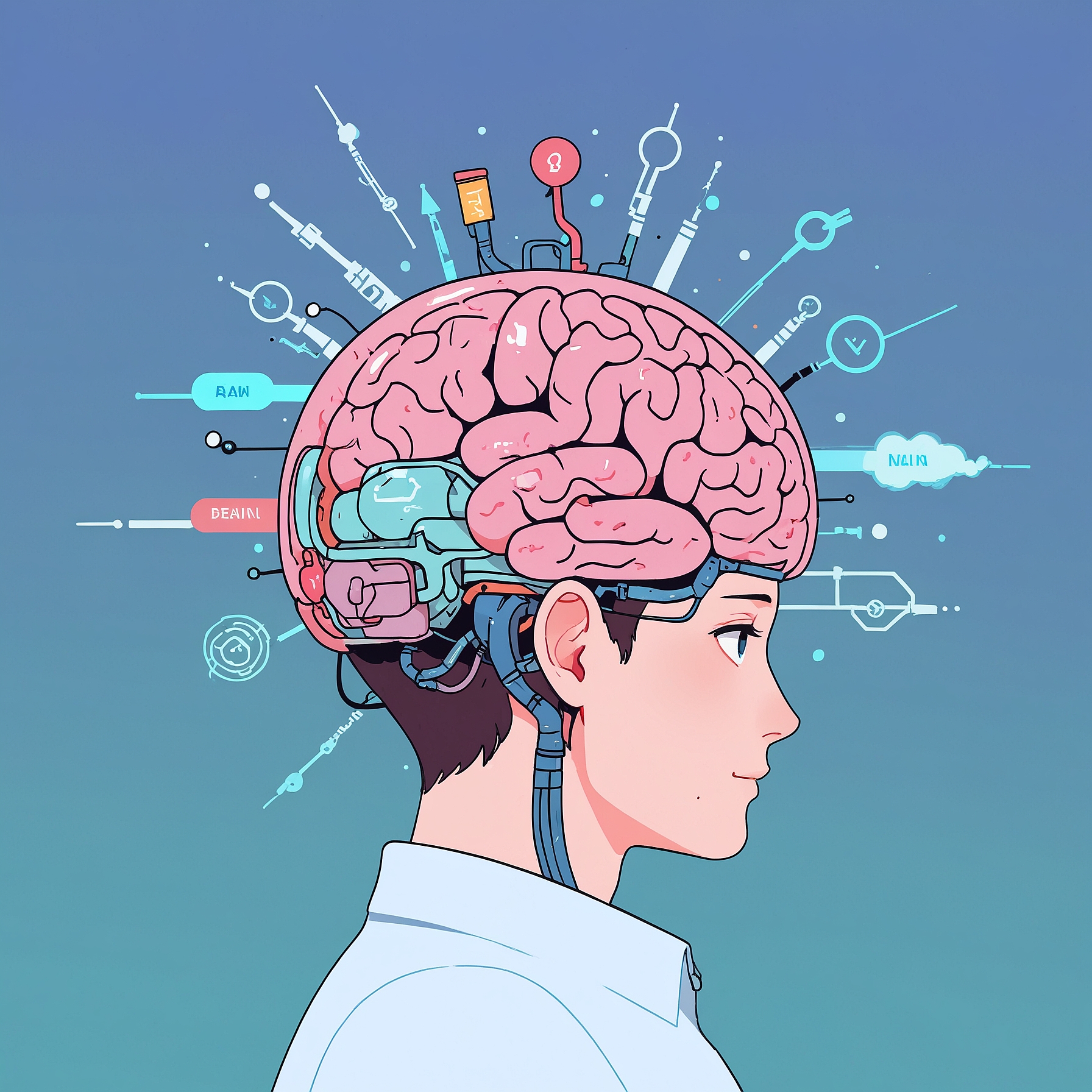
🧠 From Mental Chaos to Digital Gold
We’ve all felt that frustration: a brilliant idea flashes through your mind and vanishes just as quickly because there was nowhere to put it. Building a Second Brain isn’t just about storing notes; it’s about creating an ecosystem where your thoughts evolve, organize, and eventually bear fruit.
Here is how I structured my workflow to transform raw “brain dumps” into a solid knowledge base.
🎯 The Foundation: Obsidian
Everything starts with capture. Obsidian is my command center. No fluff, just pure Markdown.
- Raw Capture: I dump everything, no filters.
- PARA Method: I use a lean structure (Projects, Areas, Resources, Archives) to avoid getting lost under a mountain of files.
- Zettelkasten-style: Linking notes allows connections to emerge that I would never have seen otherwise.
The goal here is simple: eliminate friction. If it’s too hard to write down, it won’t get written.
🤖 OpenCode: When things get “Smart”
This is where the system shifts from a simple notebook to a true intellectual partner. OpenCode isn’t just a technical layer; it’s the assistant that breathes life into my Markdown files.
This is the real Second Brain: An integrated assistant that answers me based exclusively on my own knowledge.
As I pour out my thoughts in bulk, OpenCode steps in to:
- Organize the Chaos: It helps me structure fragmented notes into coherent sections.
- Contextualize: I can ask questions like “What did I note about container automation last year?” and it synthesizes the answer.
- Assisted Brainstorming: It doesn’t think for me; it helps me push my thinking further by suggesting links between my current ideas and my archives.
It’s the end of blank page syndrome and endless manual searching.
⚙️ The Engine: The Power of Automation
Once the thought is captured and refined, the machine takes over. No need to worry about formatting or manual sorting—the pipeline handles it.
- Git Validation: As soon as I commit my notes, scripts verify content consistency and metadata structure (frontmatter).
- Hugo (The Wizard): This static site generator transforms my raw Markdown into lightning-fast web pages in the blink of an eye.
- OpenCode Principles: By applying an “Open Source” logic to my own workflow, everything becomes transparent, reproducible, and most importantly, I remain the owner of my data.
Moving from thought to publication becomes a technical non-event. I focus on the substance; automation handles the form.
Want to dive deeper?
If you want to dig into the technical side of the automation, I’ve detailed the full pipeline right here: 👉 Digital Garden Automation